
Passive Metabolism and the Importance of Balancing It
Do you know what passive metabolism is?
It turns out that metabolism is divided into two sides:
- Passive
- Excited
Maintaining the right balance between both is what will give you a successful step in your recovery and what will allow you to lose weight properly.
Here, we’ll tell you more about the passive side, what it is, and what you need to do to keep it balanced with the excited side.
The passive side is scientifically called parasympathetic and in the NaturalSlim® system, the specialist decided to call it passive, as we’ve been mentioning, to use a more common term that would be easy for people to understand.
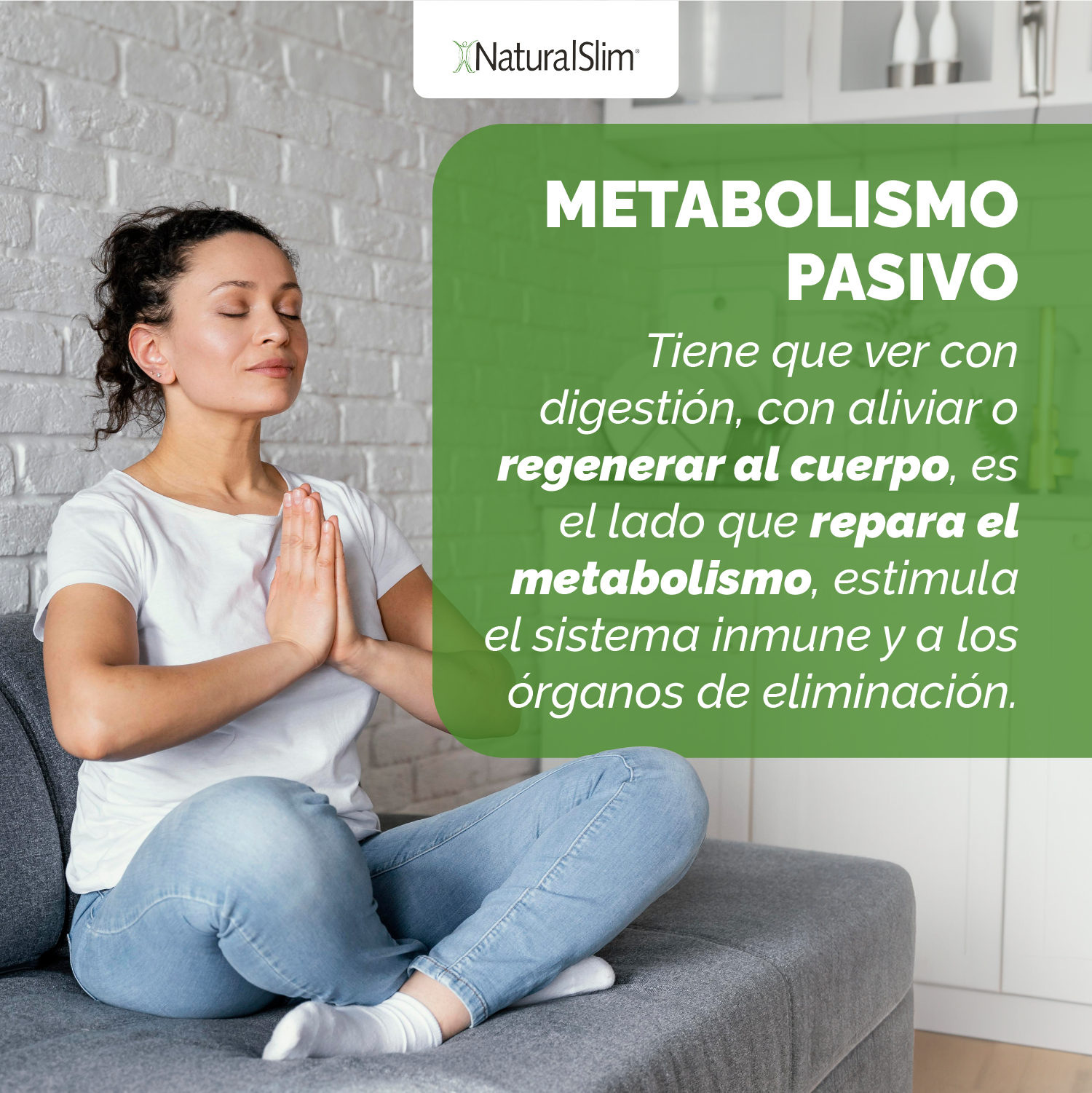
Do you know what passive metabolism is?
It turns out that metabolism is divided into two sides:
- Passive
- Excited
Maintaining the right balance between both is what will give you a successful step in your recovery and what will allow you to lose weight properly.
Here, we’ll tell you more about the passive side, what it is, and what you need to do to keep it balanced with the excited side.
The passive side is scientifically called parasympathetic and in the NaturalSlim® system, the specialist decided to call it passive, as we’ve been mentioning, to use a more common term that would be easy for people to understand.
Passive metabolism also has a lot to do with sleep. If you’ve noticed that you sleep well, wake up with energy, and feel rested, it’s because your passive side was properly activated.
When this is activated, it allows your body to control emotional stress, which is one of the main reasons why metabolism weakens in general.
It also helps the body detox properly and release those toxins it doesn’t need in order to maintain a clean and healthy state.
Do you know what the vagus nerve has to do with all this?
It turns out that thanks to this nerve, the passive side can be activated, and it runs from the brain, through the lungs, heart, stomach, intestines, and liver, boosting this side of metabolism.
That said, we can sum up one thing:
Passive metabolism is the key to helping the body defend itself!
Passive metabolism also has a lot to do with sleep. If you’ve noticed that you sleep well, wake up with energy, and feel rested, it’s because your passive side was properly activated.
When this is activated, it allows your body to control emotional stress, which is one of the main reasons metabolism weakens. It also helps the body detox properly and release those toxins it doesn’t need in order to maintain a clean and healthy state.
Do you know what the vagus nerve has to do with all this?
It turns out that thanks to this nerve, the passive side can be activated, and it runs from the brain, through the lungs, heart, stomach, intestines, and liver, boosting this side of metabolism.
That said, we can sum up one thing:
Passive metabolism is the key to helping the body defend itself!
Those of us who have a passive nervous system rarely have trouble enjoying deep, restorative sleep.
Both the excited metabolism, which is too active, and the passive metabolism, which is too inactive, are out of balance.
When someone has a metabolism that is too passive, this shows up in several symptoms:
-Lack of energy.
-Feeling exhausted.
-Poor sleep quality.
-Lack of bowel movement.
-Thyroid problems.
-Poor glucose control.
This is mainly due to an improper diet that throws metabolism out of balance.
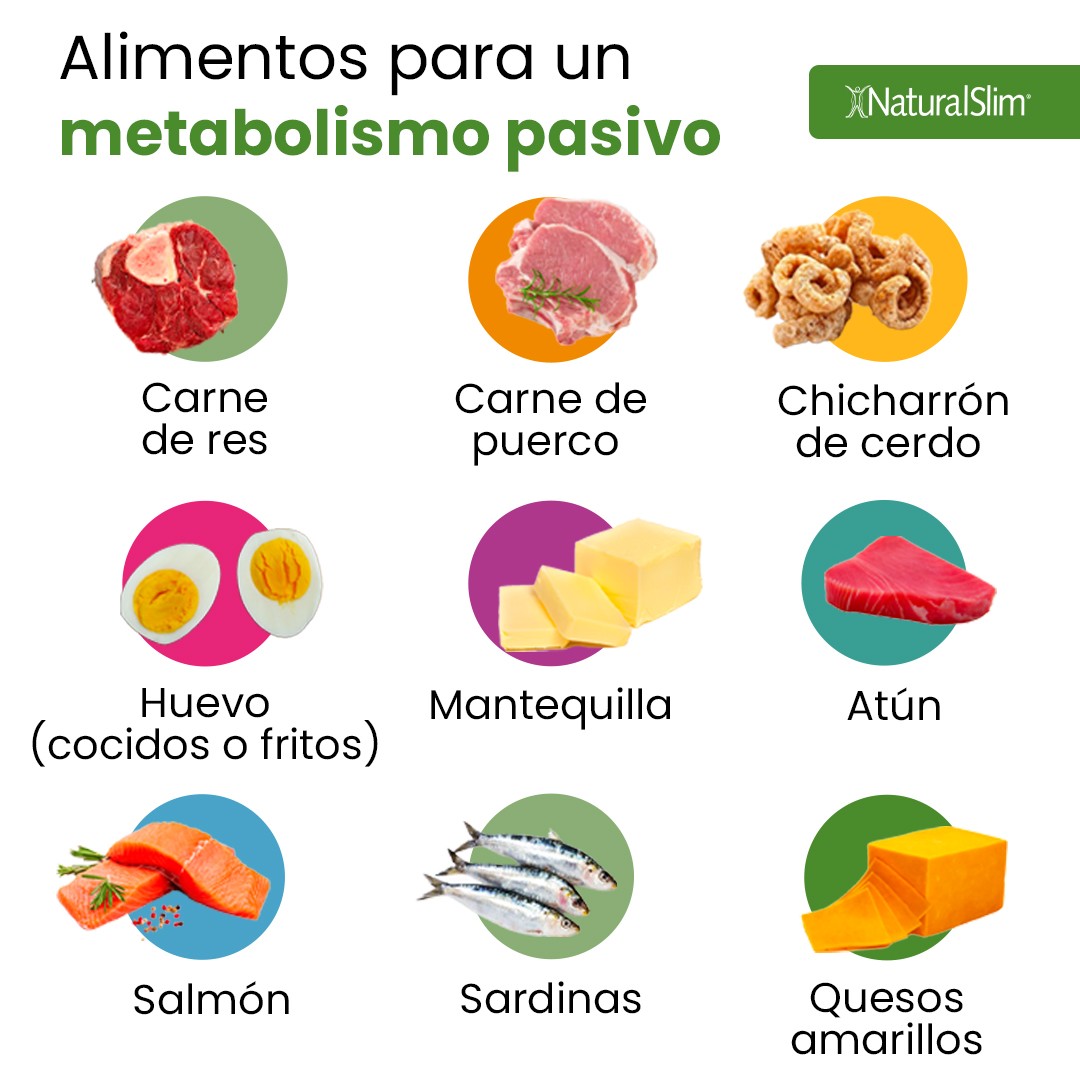
The passive side requires a diet that includes red meat (beef, pork) because this type of meat excites metabolism, which helps balance it.
An example of a recommended meal for a passive metabolism, according to the 3x1 Diet, would be a combination of foods with a higher proportion of red meat, pork, or fatty fish (such as salmon or tuna).
It’s also important to provide supplements that help activate it, such as Metabolic Vitamins, Coco 10- Plus coconut oil and even Metaboil 500 if what you’re looking for is fat burning
You should know that each person has a predominant metabolic type, but how do you know if you lean toward the passive side?
Below, we’ll leave you 5 questions. If you answer yes to one or more of them, that means you are not a person who leans toward the passive side, but rather the excited side:
- Does saturated fat, such as fried foods, cause you digestive problems?
- Do you not digest well if you eat late at night?
- Do you have trouble digesting red meat?
- Do you have light, shallow sleep?
- If you eat late at night, do you have trouble sleeping?
Remember: answering yes to one of these indicates that you do NOT have passive metabolism.
If you want to learn more about what supplements can help you balance your passive metabolism, click the following button below.


© Copyright. All rights reserved.
Want to receive more free information about metabolism?
Join our email community, where you can receive free guides, early promotion info, and much more.